
Start an Emergency Fund Even With a Tight Budget
You don't need a huge income to save for emergencies. We'll show you how to build a safety net starting with just small amounts.

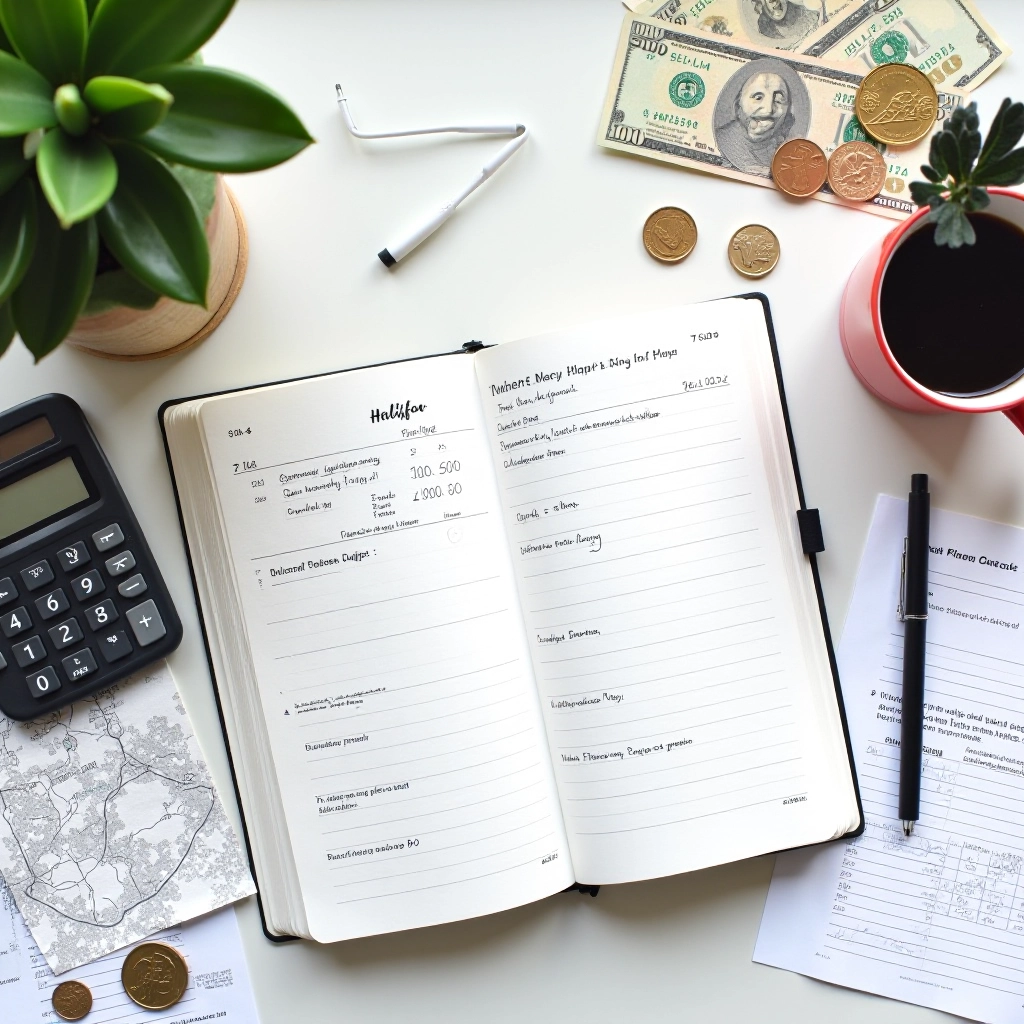
Building an emergency fund sounds impossible when you're living paycheck to paycheck. We get it. But here's the thing: you don't need a perfect situation to start. You just need a plan and a little bit of discipline. Even $25 per month adds up faster than you'd think. In just one year, that's $300. In five years, it's $1,500. That's real money that could save you from a financial crisis.
The goal isn't to build six months of expenses overnight. It's to start somewhere and keep building. Let's break down how to actually do this when your budget is tight.
Start Small, Build Momentum
The first $500 to $1,000 is the hardest part. After you hit that initial goal, something shifts psychologically. You've got a real buffer. You're not panicking about car repairs anymore.
Most people wait for the perfect time to start saving. They think, "I'll begin when I get a raise" or "Once I pay off my credit card." But that time rarely comes. You've got to work with what you have right now.
Try this approach: Set aside whatever you can—even $10 per week. Open a separate savings account (not your checking account). Put it somewhere you won't see it every day. Out of sight means you're less likely to spend it when times get tight.
Here's a pull quote that matters:
"The best time to build an emergency fund was 10 years ago. The second best time is right now."

Three Starter Goals
- Month 1-3: Save $100 (even if it takes longer, that's okay)
- Month 4-12: Reach $500 as your first real milestone
- Year 2: Grow it to $1,000

Where to Find Extra Money
You probably think you don't have anything to spare. But most people do—they just don't see it. Start by tracking where your money actually goes for one month. You'll find things you forgot about.
Common places people find $10-50 per month:
- Streaming services you're not watching
- Subscriptions from years ago (gym memberships, app trials)
- Eating out just one less time per week
- Switching to a cheaper phone plan
- Selling stuff you don't use anymore
Don't try to cut everything at once. Pick one thing. Master that. Then add another. Small changes compound.
Keep It Separate and Protected
This is crucial. Your emergency fund can't be in your regular checking account. You'll spend it. You've got to make it slightly inconvenient to access.
Open a separate savings account at a different bank if possible. Not the same bank where you do your daily banking. The slight friction—having to transfer money between banks—stops you from dipping into it for non-emergencies.
Some people use online-only banks because the interest rates are better (even if it's just 4-5% right now). Others use a regular bank's savings account. The type doesn't matter as much as keeping it separate.
Set up an automatic transfer the day after you get paid. Move your $10, $20, or $50 before you have a chance to spend it. Automation is your friend here.

Important note: This article is informational only and is not financial advice. Your personal situation is unique. Consider speaking with a qualified financial advisor about your specific circumstances, especially if you're managing debt alongside building savings.

What Counts as an Emergency
Before you start, define what an emergency actually is. Because once you've got that money saved, temptation hits hard. Suddenly that vacation feels like an emergency. That new laptop "might break soon."
Real emergencies:
- Job loss or unexpected income drop
- Car breaks down and you need it for work
- Medical bill or urgent health issue
- Home repair (roof leak, furnace dies)
- Unexpected family expense
Not emergencies (even if they feel urgent):
- Vacation or travel
- New gadgets or tech upgrades
- Furniture or home décor
- Gifts or celebrations
Write down your definition. Literally. Put it somewhere you'll see it. When you're tempted to use the fund for something non-essential, you'll remember why you built it in the first place.
Building Peace of Mind
An emergency fund isn't about being wealthy. It's about stability. It's about knowing that when something goes wrong—and something always goes wrong eventually—you won't panic. You won't go into debt. You won't lose sleep.
You're not trying to become a millionaire this month. You're trying to protect yourself from a crisis that would otherwise destroy your financial life. That's it. That's the goal.
Start with whatever you can afford. $10. $25. Even $5. The amount doesn't matter as much as the habit. Once you prove to yourself that you can do it, the momentum builds. Before you know it, you'll have $500. Then $1,000. Then more.
And when that unexpected bill comes—and it will come—you won't be stressed. You'll just handle it. That's the real win here.
Related Articles
Building Your First Budget Without Feeling Restricted
Learn how to create a realistic budget that actually works for your lifestyle.

Track Your Spending in Three Simple Steps
Most people don't know where their money goes each month. We'll show you a method that works.

The Real Truth About Debt and How to Manage It Without Stress
Debt doesn't have to control your life. We'll break down different approaches to managing it.